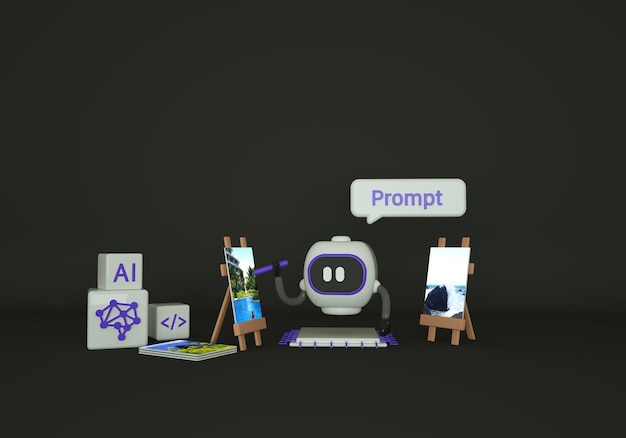
How I Actually Use AI in Product Development
AI is everywhere, but how does a solo founder actually use it? This post cuts through the hype to share my practical, non-guru applications of AI in my product development workflow.
My Unfiltered Thoughts on AI in Product Development (and How I'm Actually Using It)
Honestly, when AI tools started popping up everywhere, I was pretty skeptical. It felt like another tech hype cycle, promising to revolutionize everything while most of it felt like glorified autocomplete. As a solo founder, my time is incredibly scarce, and I’m always wary of adopting new tools that don't offer genuine, tangible benefits.
I’ve been deep in the trenches with my 52-product challenge, building and iterating relentlessly. The idea of adding another layer of complexity, especially something as buzzwordy as AI, felt like a distraction. But the more I saw it being used, the more I wondered if I was missing something crucial for staying efficient as a one-person army.
So, I decided to approach AI with a very specific mindset: AI as a Co-Pilot, not an autopilot. My strategy is Specific Task Augmentation.
I'm not looking for AI to build my products for me. Instead, I want it to help me do the tasks I already do, but faster, better, or with less mental load.
This means I’m not asking AI to "design my next killer feature." I'm asking it to help me with very defined, often tedious, parts of the process. Think of it like having a junior assistant who's really good at specific, repeatable tasks.
Here’s how I’m actually integrating AI into my product development workflow, day-to-day:
1. Content Generation & Refinement:
This is probably the most obvious, but I'm using it beyond just blog posts. When I need to write user onboarding emails, update documentation, or even draft social media snippets about a new feature, I feed the AI context and ask for variations.
- Example: I’ll give it a bulleted list of what a new feature does and ask it to write a concise, user-friendly explanation for the in-app tooltip. Or I’ll provide raw customer feedback and ask it here's what it comes down to the key pain points.
2. Code Snippet Generation & Debugging Assistance:
As a solo founder, my coding time is precious. While I'm not handing over my entire codebase, I do use AI to speed up repetitive coding tasks or to get unstuck.
- Example: If I need to write a small utility function, like parsing a date string in a specific format, I’ll describe it and ask for a JavaScript snippet. Or if I hit a weird bug, I’ll paste the error message and the relevant code block and ask for potential causes or solutions. It’s not always perfect, but it often points me in the right direction much faster than endless searching.
3. Market Research & Idea Validation (with a grain of salt):
This is where I’m most cautious, but AI can be a decent starting point for understanding market trends or getting initial ideas for feature names.
- Example: I might ask AI to brainstorm 10 potential names for a new productivity app, or to list common pain points for remote workers when it comes to task management. I then take these suggestions and do my own deeper research and validation. It’s a brainstorming partner, not a market research department.

4. Learning & Skill Development:
When I encounter a new technology or concept I need to understand quickly, AI can be a great explainer.
- Example: If I’m trying to implement a new authentication flow with Supabase, I might ask AI to explain the core concepts of JWTs or to provide a simplified example of a specific Supabase function. It’s like having a patient tutor available 24/7.
The key takeaway for me has been to treat AI as a tool to augment my existing skills and workflow, not replace them. It’s about making the tedious parts easier so I've more energy and focus for the creative and strategic thinking that truly drives product development.
If you’re a solo founder feeling overwhelmed by the AI hype, I encourage you to experiment with this "Co-Pilot" and "Specific Task Augmentation" approach. Start small, focus on tasks that consume your time without adding much strategic value, and see how AI can help you reclaim those precious hours.
What are your practical, non-guru ways of using AI in your solo journey? I’d love to hear them in the comments below.