How I Turn Customer Feedback into Product Ideas
I'll share my simple, yet effective, system for processing all types of customer feedback – from glowing praise to harsh criticism – and transforming it into a clear product roadmap.
Day 187: The 'Customer Feedback Black Hole': My System for Turning Compliments and Complaints into Actionable Insights (Without Drowning)
I remember one particularly rough Tuesday. I’d just launched a small feature for my productivity app, and within hours, I received an email.
It wasn't just critical; it was… brutal. The sender detailed every single perceived flaw, every missed opportunity, and honestly, it made me question why I was even bothering.
For a solid hour, I stared at my screen, the urge to just delete the entire project almost overwhelming. That email felt like a black hole, sucking all my motivation and confidence into the void.
That day was a turning point. It forced me to realize that feedback, in all its forms, is gold.
But it also showed me how easily that gold can become a crushing weight if you don't have a system. Without one, you risk drowning in the noise, or worse, ignoring the valuable signals that can actually make your product better.
The 'Feedback Funnel': Your Antidote to Overwhelm
I realized I needed a way to process everything (the glowing praise, the constructive criticism, the feature requests, and the bug reports) without letting it derail me. So, I built a simple, three-stage system I call the "Feedback Funnel." It's designed to capture, categorize, and prioritize user input, turning it into a clear path forward for my product.
Stage 1: Capture Everything (The Wide Mouth)
This is where you cast a wide net. Every single piece of feedback, no matter how small or seemingly insignificant, needs a place to go. I use a few key tools for this:
- A dedicated feedback email address: Something simple like
feedback@yourproduct.com. This is the primary channel for direct communication. - In-app feedback forms: For quick suggestions or bug reporting directly within the app.
- Social media monitoring: Keeping an eye on mentions and comments on platforms like X (formerly Twitter).
- Customer support tickets: Any issue raised through support also gets logged.
The goal here is to make it as easy as possible for users to tell you what they think, and for you to collect it all in one (or a few) central places.
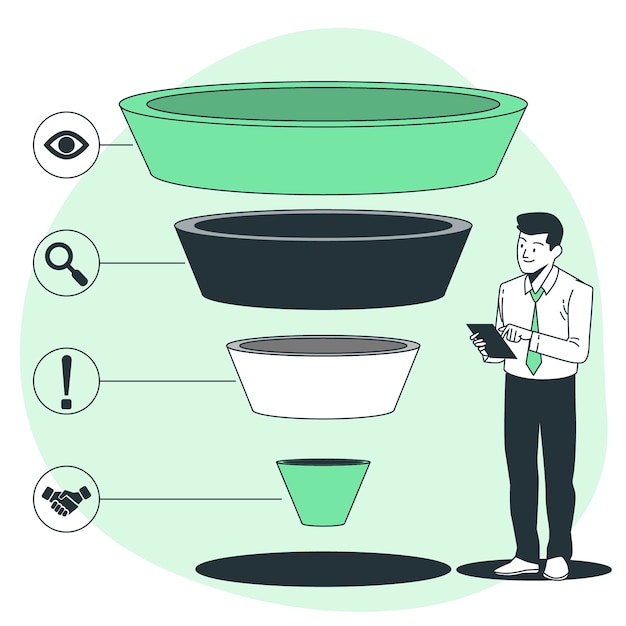
Stage 2: Categorize and Clarify (The Narrowing Neck)
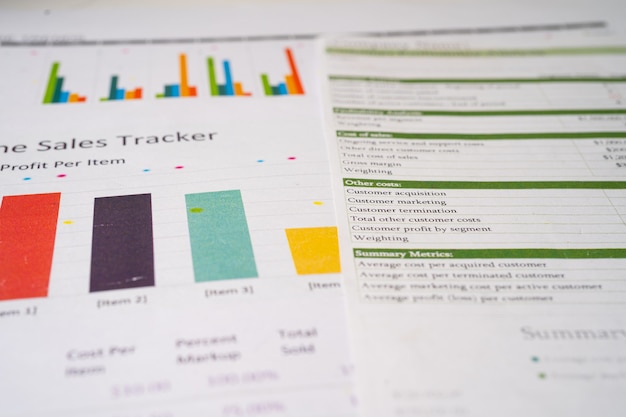
Once feedback is captured, it's time to sort it. I use a simple spreadsheet (Google Sheets, in my case) and assign each piece of feedback to one of these categories:
- Compliment: Genuine praise. These are great for morale and understanding what's working well.
- Complaint/Pain Point: Negative feedback about existing features or user experience. This is where the "brutal" feedback lands.
- Feature Request: Suggestions for new functionality or improvements.
- Bug Report: Technical issues preventing users from using the product as intended.
Within the spreadsheet, I add columns for:
- Date: When the feedback was received.
- Source: Where it came from (email, in-app, etc.).
- User: (Optional, if identifiable and relevant).
- Summary: A brief, objective description of the feedback.
- Category: As defined above.
- Impact: How many users seem to be affected or how critical is it? (e.g., "Critical Bug," "Minor Annoyance," "Niche Request").
- Action Taken/Planned: What I've done or plan to do about it.
This categorization helps you see patterns. Are most people complaining about the same thing?
Are there recurring feature requests? This stage is about transforming raw input into structured data.
Stage 3: Prioritize and Act (The Output)
This is where the magic happens - turning feedback into your product roadmap. I don't overcomplicate this. I look at my categorized feedback and ask:
- What's blocking users or causing significant frustration? (Bug reports and critical complaints usually go to the top).
- What are the most frequently requested features that align with my product's vision?
- What compliments highlight core strengths I should double down on?
I then use this to inform my weekly planning. A critical bug might get immediate attention.
A highly requested feature that fits my roadmap might be scheduled for the next development sprint. A common pain point might lead to a UX improvement.
This isn't about blindly following every suggestion. It's about using the collective voice of your users to make informed decisions about where to invest your limited time and resources.
The Takeaway: Build What Matters, Without Losing Your Mind
This system has been a game-changer for me. It prevents that overwhelming feeling because I know where everything is and how to process it. It ensures I'm not just building what I think is cool, but what my users actually need and want.
By having this structured approach, I can:
- Manage feedback effectively: No more black holes, just organized insights.
- Prevent overwhelm: Breaking down feedback into manageable categories makes it less daunting.
- Maintain motivation: Seeing how user input directly shapes the product is incredibly rewarding.
- Build based on real needs: This is the most sustainable way to grow a product.
If you're feeling swamped by feedback, try implementing a simple funnel like this. Capture everything, categorize it clearly, and then use that structure to build a product that truly resonates with your users. It’s the most honest way to build.