Why Tracking My Mood Works Better Than Tracking Goals
This post reveals how I shifted from chasing vanity metrics to tracking internal state and energy levels, and how this seemingly 'unimportant' data dramatically improved my productivity and decision-making as a solo founder.
Day 187: The 'Hidden Metrics' of Solo Success: Why My Daily Mood Log Outperforms My Google Analytics
I remember a point a few months back, maybe around Day 100 of this 52-product challenge, where I felt completely burnt out. The numbers looked… fine.
My Google Analytics showed steady, albeit small, traffic. My sign-up conversion rates were within the expected range for a new product.
Yet, I was dragging myself through each day. My focus was scattered, and the joy of building was replaced by a nagging sense of dread.
I was hitting my "targets," but I was miserable. It hit me then: I was optimizing for the wrong things.
I was chasing external validation (the numbers on a screen) while ignoring the most critical engine of my solo business: me.
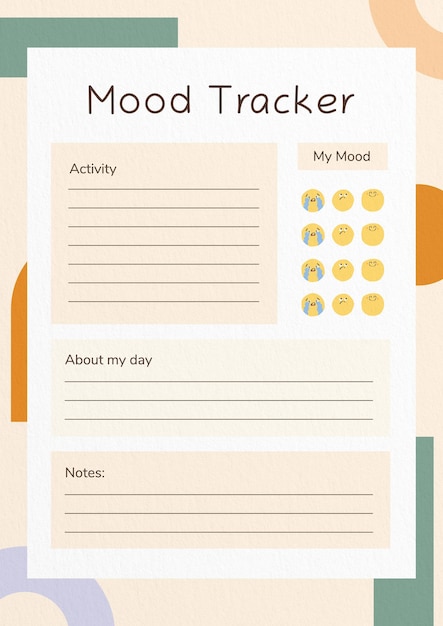
The "Solo Founder Mood & Energy Tracker"
This realization led me to create what I now call my "Solo Founder Mood & Energy Tracker." It's ridiculously simple, but it's been a game-changer. Every night, before I shut down my laptop, I spend two minutes logging a few key internal metrics.
It’s not about complex algorithms or fancy dashboards. It’s just four simple questions:
- Mood: On a scale of 1 to 5, how was my overall mood today?
- Focus: On a scale of 1 to 5, how focused was I on deep work?
- Energy: On a scale of 1 to 5, what were my energy levels like?
- Satisfaction: On a scale of 1 to 5, how satisfied was I with my output?
Connecting Internal State to Output
The magic isn't just in logging these numbers. It's in how I started connecting them to my actual output and decisions.
For example, I noticed a pattern: when my "Focus" and "Energy" scores dipped below a 3, my productivity plummeted, and I made more impulsive, less effective decisions. This often happened on days I’d spent too much time on low-value tasks or hadn't prioritized sleep.
Conversely, days with high "Mood," "Focus," and "Energy" scores consistently correlated with breakthrough moments, efficient problem-solving, and genuine progress on my products.
This simple tracker helped me identify my personal "sweet spots" for productivity and creativity. It allowed me to proactively adjust my schedule and tasks. If I saw my energy levels consistently low, I knew it was time for a break, a walk, or even a complete day off, rather than pushing through and getting nothing done.
Designing Your Own "Hidden Metrics" System
You don't need my exact system. The point is to create your own "hidden metrics" to understand your internal state.
Here’s how you can design your own:
- Identify Your Core Internal States: What internal factors most impact your productivity and well-being as a solo founder? Think about mood, energy, focus, creativity, motivation, or even stress levels.
- Choose a Simple Tracking Method: A basic spreadsheet, a notes app, or even a dedicated habit tracker app will work. Keep it as low-friction as possible.
- Define Your Scale: Use a consistent scale (e.g., 1-5, 1-10) for each metric.
- Log Consistently: Make it a non-negotiable part of your day. Even 60 seconds can make a difference.
- Review and Connect: Regularly (weekly or monthly), look for patterns. How do your internal states correlate with your actual work output, decision quality, and overall well-being?
By paying attention to these "hidden metrics," you can build more sustainable habits, avoid burnout, and make better decisions, even when your external numbers might not be screaming success yet. It’s about building a business that sustains you, not just chasing metrics that might not reflect your true progress or well-being.
What are your "hidden metrics" for solo success? I'd love to hear about them in the comments!