How I Track My Money as an Indie Maker
Money is always a concern when bootstrapping. I'm no financial guru, but I've learned to manage my product runway. This post shares my simple system for tracking expenses and staying afloat.
The Indie Maker's Financial Reality: Tracking Expenses & Projecting Runway
There's this gnawing feeling that creeps in sometimes, usually late at night. It's the quiet hum of anxiety about savings dwindling and income being… well, uncertain. As a solo founder, especially one on a mission to build 52 products, this is a reality I face daily.
It's easy to get lost in the excitement of building and shipping. But if you're bootstrapping, like me, the money side of things can't be ignored. It's the fuel that keeps the engine running, and if it runs out, the journey stops.
I'm no financial wizard, believe me. My background is in building, not balance sheets. But over time, I've developed a simple, no-fuss system to keep a handle on my finances and, more importantly, project my "product runway." This is how long I can keep building and iterating before I absolutely need to see significant revenue.
My core tools are surprisingly basic: a spreadsheet and a simple calculation.
First, there's the "Lean Burn Rate" calculation. This is just the total amount of money I spend each month to keep my projects and life going.
For me, this includes hosting, domain names, essential software subscriptions, and my personal living expenses. It’s about identifying the absolute minimum needed to survive and continue building.
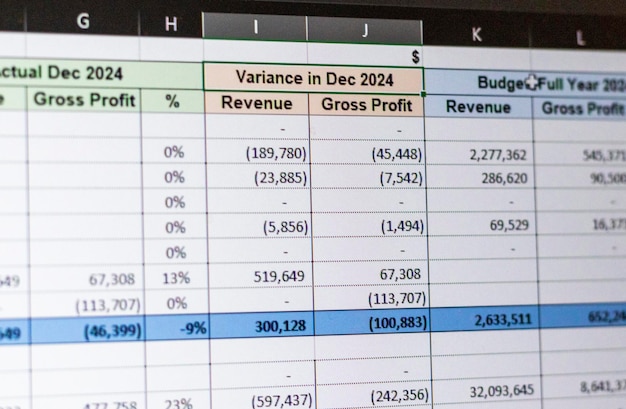
Then, I've my "Product Runway Tracker" spreadsheet. This is where the magic (or rather, the reality check) happens.
I list all my current savings, then I subtract my monthly lean burn rate. This gives me a rough idea of how many months I've left.
But it's not just about savings. I also factor in any expected income, even if it's small or sporadic.
This might be from affiliate income, a small consulting gig, or early sales from a product. It’s crucial to be realistic here - no inflated projections.
Here’s how I break it down in my tracker:
- Current Savings: The actual amount of cash available.
- Monthly Lean Burn Rate: My calculated monthly expenses.
- Months of Runway: Current Savings / Monthly Lean Burn Rate.
- Projected Income (Next 3 Months): A conservative estimate of incoming cash.
- Adjusted Runway: (Current Savings + Projected Income) / Monthly Lean Burn Rate.
This adjusted number is my lifeline. It tells me how much buffer I've, considering potential income. If a new product starts showing promise or an existing one gets a few more users, I can update the projected income, and suddenly, my runway extends.

For example, when I was working on my note-taking app, my lean burn rate was around $600/month. My savings were $3000.
That gave me a raw runway of 5 months. But I also projected about $100 in potential affiliate income from content related to the app.
This nudged my adjusted runway slightly, giving me a bit more breathing room.

This system isn't about being a financial guru; it's about being honest with yourself about the resources you've. It helps me make smarter decisions, like whether I can afford to invest a bit more time into a new feature or if I need to focus on generating revenue sooner.
The key takeaway here is that managing your finances as an indie maker doesn't have to be complicated. A simple spreadsheet and a clear understanding of your burn rate and runway can make a huge difference in your ability to keep building and iterating. It turns that gnawing anxiety into a manageable reality.
Your next step: Grab a simple spreadsheet, list out your essential monthly expenses, and calculate your own lean burn rate. Then, see how many months of runway you've. It's a powerful exercise in grounding your ambitious building dreams in financial reality.