How I Spot and Stop Burnout Before It Gets Bad
Building fast means pushing limits, but I’ve learned to recognize the subtle signs of burnout before they become full-blown crises. I share my personal 'micro-recovery' tactics.
The 'Micro-Burnout' Cycle: How I Recognize and Recover from Daily Exhaustion
There are days when the code just doesn't flow. The ideas feel stale, and even the simplest tasks seem like climbing a mountain. It's not a full-blown, can't-get-out-of-bed kind of burnout, but a creeping fatigue, a subtle loss of motivation that signals I'm pushing my limits a bit too hard, a bit too often.
This is what I've started calling "micro-burnout." It's that feeling of being mentally drained and creatively depleted, not from a single catastrophic event, but from the cumulative effect of relentless daily effort. As a solo founder, especially when I’m deep into my 52-product challenge, this is a constant battle.

The danger with micro-burnout is its subtlety. It creeps in.
You might dismiss it as just a "bad day" or a "slow period." But if you ignore these early signals, they can compound and eventually lead to a more serious crash. I've learned the hard way that proactive recovery, even in small doses, is key.
So, how do I spot it and, more importantly, how do I recover from it before it takes hold? I've developed a simple, personal framework I call the "Energy Check-In" routine.
My 'Energy Check-In' Routine
This isn't about complex productivity hacks or rigid schedules. It's about tuning into my own internal state.
- The 3-Question Scan (Twice Daily): First thing in the morning and again around mid-afternoon, I ask myself three quick questions:
- Physical Energy: How does my body feel? Am I physically tired, or do I've enough energy to move?
- Mental Energy: How is my focus? Can I concentrate on tasks, or is my mind racing and scattered?
- Creative Energy: Am I feeling inspired and engaged, or is the well dry and motivation low?
- The "Red Light, Yellow Light, Green Light" Assessment: Based on the answers to those questions, I quickly assign a color:
- Green: All systems go. I feel energized and focused.
- Yellow: Minor dips. Maybe a bit tired physically, or slightly less focused, but still functional.
- Red: Significant drain. Low energy across the board, difficulty concentrating, and a lack of creative spark.
When I consistently hit "Yellow" or "Red" in multiple categories, it's my cue to deploy my micro-recovery tactics.
3 Quick Strategies for Immediate Recovery
These are small, actionable steps I take immediately when I notice those "Yellow" or "Red" flags.
- The 15-Minute "Reset Walk": This is non-negotiable.
If I'm feeling mentally foggy or creatively stuck, I step away from my desk. I don't listen to podcasts or music; I just walk.
I focus on my surroundings, the air, the sounds. It's a deliberate disconnection from the task at hand and a reconnection with the physical world.
It's amazing how much clarity a simple change of scenery can bring.

- The "Task Swap" Technique: If I'm hitting a wall on a specific task, I don't force it.
Instead, I switch to something completely different that requires a different kind of mental effort. This could be responding to customer emails, organizing my task list, or even doing a quick, simple coding task that doesn't require deep problem-solving.
It breaks the mental loop and often makes returning to the original task much easier.
- The "Hydrate and Snack" Break: Sometimes, the simplest things are the most effective.
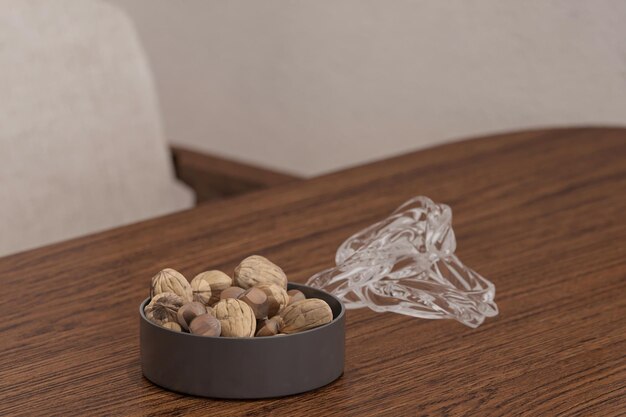
I'll grab a glass of water, maybe make a cup of tea, and have a small, healthy snack like some nuts or fruit. It’s a physical act of self-care that signals to my brain, "Okay, we're taking a moment to refuel." It’s a small but powerful way to acknowledge my body's needs.
I'm not aiming for perfection here. I'm aiming for sustainability. These aren't grand gestures; they are small, consistent actions that help me manage my energy throughout the day and prevent those "micro-burnouts" from becoming bigger problems.
Takeaway: Prevent and Recover from Daily Exhaustion
Building fast as an indie maker often means pushing your limits. But the real skill isn't just in pushing; it's in knowing when to ease off and how to recover efficiently.
- Implement your own "Energy Check-In": Find a simple way to gauge your physical, mental, and creative energy levels daily.
- Develop your "Micro-Recovery" toolkit: Have 2-3 quick, actionable steps you can take when you notice your energy dipping. Think walks, task swaps, or simple refuels.
- Prioritize consistency over intensity: Small, regular acts of self-care and energy management are more effective in the long run than occasional, drastic measures.
By recognizing these subtle signs and having a plan to address them, you can build sustainably, avoid burnout, and keep making progress on your own journey. What are your favorite ways to combat daily exhaustion? I'd love to hear them.