How I Learned to Listen to Users Before Building
Sharing the raw story of an MVP that failed to gain traction despite my best efforts, and the painful but crucial lessons learned about truly validating ideas with user feedback *before* diving deep into development. This post offers a framework for early-stage user validation that goes beyond surveys.
The MVP That Crumbled - How I Learned to Listen to Users (Before Building More)
I remember the buzz. It was electric.
I had this idea, a truly brilliant idea (or so I thought), that would revolutionize how small teams managed their internal documentation. I spent weeks coding, fueled by caffeine and the sheer excitement of building something new.
I polished every pixel, crafted elegant code, and finally, with a deep breath, I launched it.
Then… crickets.
Silence. No sign-ups, no engagement, just the hollow echo of my own enthusiasm.
It was a gut punch. I had poured so much energy into this MVP, convinced it was exactly what people needed.
But clearly, I was wrong.
This is a story about a spectacular failure, but more importantly, it's about the hard-won lessons that came from it. It taught me the critical difference between building what you think people want and building what people actually need.
The Trap of Building in a Vacuum
We’ve all heard the advice: "Build an MVP." But what often happens is we build our ideal product, just with fewer features. We let our assumptions and our own preferences drive the development, rather than genuine user needs.
This is building in a vacuum. You’re so deep in your own head, so convinced of your solution, that you forget to step back and ask the most important question: "Is this actually solving a problem for someone else?"
My failed documentation tool was a perfect example. I assumed everyone struggled with the same documentation issues I did.
I built a feature-rich platform because I thought that's what users would expect. I didn't talk to enough people beforehand.

My "Pre-Build Validation Sprint" Framework
After that painful experience, I knew I needed a better way. I needed to validate before I built. I developed what I call the "Pre-Build Validation Sprint." It’s a focused, low-code approach to gathering real user insights early on.
The goal isn't to build a functioning product, but to test the idea and the problem it solves.
Here’s how it generally works:
- Problem Interviews (The Deep Dive): Before thinking about solutions, talk to potential users about their problems.
Ask open-ended questions. Understand their pain points, their current workflows, and what they've tried.
Don't pitch your idea yet. Just listen.
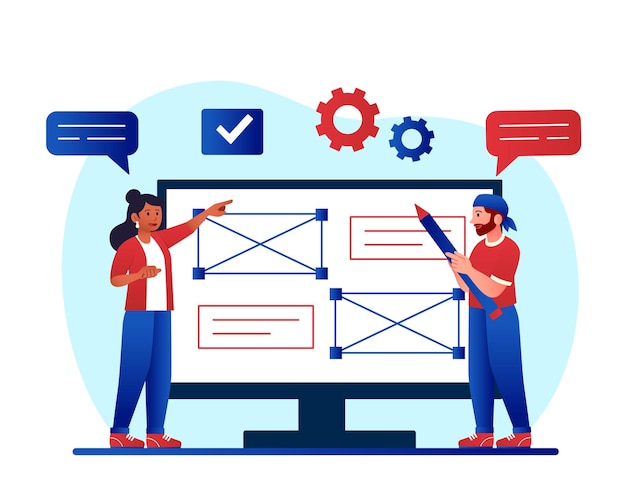
- Desirability Testing (The Visual Hook): Create a simple landing page or a mockup of your proposed solution.
Focus on the value proposition and the benefits. Use tools like Carrd or Unbounce.
Then, run a small ad campaign or share it in relevant communities to see if people are curious enough to sign up for early access or a waitlist. 3. "Fake Door" MVPs (The Commitment Test): This is a bit more advanced.
You build a minimal, non-functional version of a key feature. For example, a button that says "Create Report," but when clicked, it shows a message like "This feature is coming soon!
Sign up to be notified." This tests actual commitment, not just curiosity.
What I Missed with My Documentation Tool
Looking back at my documentation MVP, I can see exactly where I could have applied this.
Instead of jumping straight into coding, I could have:
- Conducted Problem Interviews: I would have learned that while documentation is important, the biggest pain point for many small teams wasn't the tool itself, but the process of creating and updating it consistently. Many were happy with simple Google Docs or Notion pages if they had a good system.
- Done Desirability Testing: A simple landing page highlighting "Effortless Internal Documentation" might have attracted some interest, but a page focused on "Automate Your Documentation Updates" might have resonated more if that was the actual problem. I would have seen if the concept landed, even without a product.
- Used a "Fake Door" MVP: I could have built a landing page for a hypothetical "Auto-Update Documentation" feature. If very few people signed up for notifications about that specific feature, it would have been a clear signal to pivot or rethink.
My MVP was a beautifully crafted solution to a problem that wasn't as widespread or as urgent as I believed. I was so focused on the how that I forgot to deeply understand the why from the user's perspective.
The Shift: Validate First, Build What They Need
The biggest takeaway for me has been this mental shift: from "build it and they will come" to "validate it, then build what they need."
It’s tempting to dive straight into coding, to see your vision come to life. But investing a little time upfront in validation can save you weeks, months, and a whole lot of disappointment later.
So, before you start building your next product, try this:
- Talk to 10-20 potential users about their problems.
- Create a simple landing page testing your core value proposition.
- Consider a "fake door" to gauge real commitment.
It’s not about building less; it's about building smarter. It’s about ensuring the time and effort you pour into your product actually leads to something people want and will use.
What are your favorite pre-build validation techniques? Let me know in the comments!