My Backup Tech Stack When Things Go Wrong
Relying on a single tech stack is risky. I'll share my 'second string' strategy – having a backup plan for critical components like databases or hosting – born from a real incident where my primary service had an outage, and how it saved my product.
It was 3 AM. The kind of quiet that usually lulls you to sleep, but tonight, it was the soundtrack to a full-blown panic attack.
My main database, the heart of my little SaaS product, was down. Not just slow, but completely unresponsive.
For hours.

This wasn't some theoretical problem. This was real, and users were starting to notice.
My inbox was blowing up, and X (formerly Twitter) was lighting up with frustrated messages. It was a stark, terrifying reminder of the single points of failure inherent in building solo.
I was completely exposed.
That night, staring at the blinking cursor of a dead server, I knew I needed a better plan. Relying on one primary tool for everything, especially something as critical as data storage, was a recipe for disaster. It was time to build a 'second string' tech stack.
Developing a 'Second String' Tech Stack
The idea is simple: have reliable, lightweight backups for your most critical dependencies. This doesn't mean mirroring your entire production setup, but having a functional fallback for core components. Here's how I approached it:
1. Identify Critical Dependencies:
First, I looked at my tech stack and pinpointed what absolutely had to be available for my product to function, even in a degraded state. For most SaaS products, this usually boils down to:
- Database: Where your user data lives.
- Hosting/Backend: Where your logic runs.
- Static Assets: Images, CSS, JavaScript files.
2. Research and Test 'Plan B' Alternatives:
Once I knew what was critical, I started researching alternatives. The key here is to find solutions that are:
- Cheap or Free: You don't want your backup plan to break the bank.
- Simple to Implement: If your main system is down, you don't have time for complex setups.
- Reliable: The backup needs to actually work.
For my database, I explored options like SQLite. It's incredibly lightweight and can be run locally or on a simple server. For static assets, cloud storage like AWS S3 or Cloudflare R2 are fantastic, cost-effective options.
3. Implement a Lightweight Failover or Migration Strategy:
This is where the rubber meets the road. The goal isn't a seamless, instant switchover, but a way to keep some functionality available or to make migration easier.
- Database Fallback: For my product, I implemented a strategy where if the primary cloud database failed, the application could gracefully degrade and potentially serve cached data or even switch to a local SQLite instance for basic read operations. This would at least keep the UI accessible and prevent complete lockout.
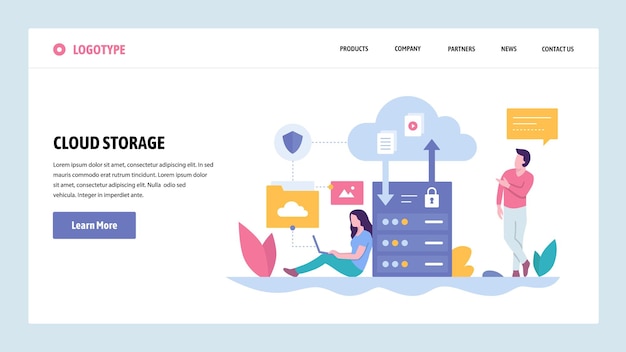
- Static Assets on S3/R2: I moved all my static assets (images, CSS, JS) to a dedicated S3 bucket. If my main hosting went down, these assets would still be accessible via their S3 URLs, ensuring the frontend still loaded correctly.
This wasn't about building a perfect, mirrored system. It was about building resilience. It was about having something functional when the worst happened.
Takeaways for Solo Founders
That database outage was a wake-up call. Building solo means you wear all the hats, including the "Chief Resilience Officer." Having a 'second string' tech stack isn't about over-engineering; it's about smart, pragmatic preparation.
Here are a few practical steps you can take:
- Assess your critical components: What absolutely can't fail?
- Explore simple alternatives: Think SQLite for databases, cloud storage for assets, or even serverless functions for simple backend tasks.
- Document your fallback plan: Write down the steps needed to activate your 'second string' solution. Make it accessible, even if your main system is down.
- Consider cost vs. risk: A little investment in a fallback can save you a lot of lost revenue and reputation.
Don't wait for a disaster to strike. Take some time to build your 'second string' tech stack. It might just save your product, and your sanity, when your main tools decide to take an unscheduled break.