How I Killed My Favorite Product Idea
I built an MVP I was proud of, only to realize nobody needed it. This post shares my framework for validating ideas *before* building and the painful but necessary art of letting go.
It’s a feeling that stings, a cold splash of reality when you’ve poured your heart and soul into something, only to have it met with… silence. That was me, a few months back, launching what I thought was a pretty neat little tool. I was genuinely proud of the clean code, the intuitive UI, the whole package.
And then, crickets. Absolutely no one seemed to need it.
It was a tough pill to swallow, realizing the MVP I’d lovingly crafted was, in essence, unloved. This experience taught me a crucial, albeit painful, lesson: building is only half the battle.
The other, often harder, half is making sure you’re building the right thing.
The problem I faced was a classic one: I fell in love with my solution before I truly understood the problem it was supposed to solve for other people. I built a shiny hammer, convinced everyone needed to pound nails, without ever asking if they actually had a problem that required a hammer. This led to wasted time, effort, and a bit of a bruised ego.
So, how do you avoid this? How do you validate an idea before you spend weeks or months building it?
I’ve developed a bit of a framework, born from experiences like this one. It’s about de-risking the build phase by getting real feedback early and often.
My Pre-Build Validation Framework
- Micro-Interviews (The "Are You Even Experiencing This?" Phase): Before writing a single line of code, I reach out to people I suspect might have the problem my idea aims to solve.
These aren't sales pitches; they're genuine conversations. I ask open-ended questions about their workflows, their pain points, and what they currently do to address them.
The goal is to listen, understand, and confirm if the problem is real and significant enough for them.
- Landing Page Tests (The "Would You Sign Up For This?" Phase): Once I've a clearer picture of the problem and a potential solution, I create a simple landing page.
This page describes the product, its benefits, and includes a clear call to action, usually an email signup for early access or a waitlist. I then drive targeted traffic to this page (via social media, relevant communities, or even small ad spend) to gauge interest.
High signup rates are a good indicator, but even better is seeing people ask clarifying questions or express specific use cases.
- "Fake Door" MVPs (The "Would You Actually Use This?" Phase): This is a bit more advanced, but incredibly effective.
It involves creating a functional front-end that looks like the product is ready, but the backend is either a manual process or a placeholder. For example, if my product automates report generation, I might build the interface for users to upload data and request a report.
When they click "Generate," I manually create the report and email it to them. This tests the desire for the feature without the full build cost.
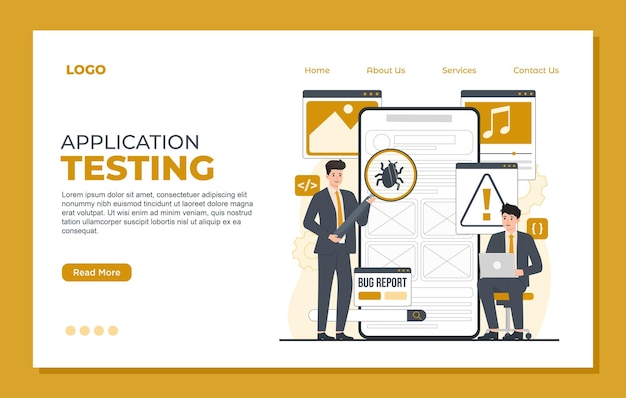
These steps help you gather data and validate assumptions before you commit to building the entire product. It’s about getting people to vote with their wallets or, at the very least, their email addresses.
The hardest part, though, is when the data tells you your darling idea just isn't resonating. It's tough to let go of something you've envisioned so clearly. But failing fast is infinitely better than building something nobody wants.
Failing Fast Without Burning Out
The key to "failing fast" isn't about giving up; it's about pivoting effectively. When my unloved MVP launched, I could have stubbornly kept pushing it. Instead, I took the feedback (or lack thereof) as a signal.
- Acknowledge and Accept: Don't dwell on the "what if." Accept that this particular direction didn't work.
- Analyze the Data: What did the interviews reveal? Why did the landing page conversion tank? What assumptions were wrong?
- Identify the Core Problem (or Lack Thereof): Was the problem I was trying to solve not a problem at all? Or was my solution just not the right fit?
- Pivot or Persevere: Based on the analysis, you can either pivot to a new solution for the same problem, or you might need to explore an entirely different problem space. Sometimes, the problem identified in your initial research is still valid, but your solution needs a complete overhaul.

Learning to kill your darlings quickly is a skill that gets easier with practice. Each time you go through this validation process, you refine your understanding of what truly matters to users. It's about building resilience and a data-driven approach, rather than relying solely on passion.
Takeaways for your journey:
- Validate before you build: Seriously. Talk to people, build landing pages, create fake doors. Get evidence.
- Listen to the market, not just your gut: Your gut is important, but it needs to be informed by real-world feedback.
- Embrace the "fail fast" mentality: It's not failure if you learn from it and use that knowledge to build something better.
- Be willing to let go: Sometimes, the most successful product is the one you don't build, or the one you radically change based on early feedback.
This journey is all about learning and iterating. Don't be afraid to test your ideas rigorously, and don't be afraid to let them go if they aren't finding an audience. That's how you eventually build something that truly matters.